
Recent polling by the respected pollsters of Rasmussen Reports has revealed that going into the midterm elections American voters are profoundly conflicted about the results of the war to prevent Iran from acquiring nuclear weapons.
A recent Rasmussen Reports national telephone and online survey found that 44% of Likely U.S. Voters believe the war against Iran has been successful, including 19% who think it was Very Successful. Forty-eight percent (48%) see the war that began in February as unsuccessful, including 27% who consider it Not At All Successful.
But what would constitute “success” in the war?
While 58% of Republicans believed the U.S. should continue military action until the Islamic regime in Iran was completely destroyed, that belief was shared by just 18% of Democrats and 31% of unaffiliated voters. Sixty-nine percent (69%) of Democrats, 28% of Republicans and 48% of unaffiliated voters favored an immediate end to the Iran war.
Yet, such an inconclusive result appears to conflict sharply with voters’ concerns about the threat the Islamic Republic of Iran poses to American economic and national security interests across the globe.
As we explained in our article “The Art Of No Deal: Voters Losing Faith In Trump’s Strategy To Negotiate An End To Iran War,” voters have a set of much broader concerns about Iran’s role in the world than its nuclear weapons program.
Seventy-seven percent (77%) would be concerned if the peace deal allowed Iran to retain long-range ballistic missiles, including 53% who would be Very Concerned. Nineteen percent (19%) aren’t concerned about the peace deal letting Iran keep its missiles.
Eighty-three percent (83%) of Likely U.S. Voters would be concerned if the peace deal allowed Iran to retain its ability to fund and supply terrorists in other countries. That includes 61% who would be Very Concerned. Just 12% aren’t concerned about Iran retaining its ability to fund terrorism in other countries.
Stopping Iran’s nuclear weapons program was a main goal cited for launching Operation Epic Fury against Iran in February. Seventy-two percent (72%) of voters would be concerned if the peace deal allowed Iran to retain highly enriched uranium, including 44% who would be Very Concerned about such a deal. Only 23% would not be concerned if the peace deal let Iran keep its enriched uranium stockpile.
Seventy-five percent (75%) would be concerned if the peace deal allowed Iran to retain control over the Strait of Hormuz, including 52% who would be Very Concerned. Twenty-percent (20%) aren’t concerned about Iran controlling the Strait of Hormuz.
More Republicans (64%) than Democrats (44%) or unaffiliated voters (48%) would be Very Concerned if the peace deal allowed Iran to retain control over the Strait of Hormuz.
Similarly, 64% of Republicans, 42% of Democrats and 53% of unaffiliated voters would be Very Concerned if the peace deal allowed Iran to retain long-range ballistic missiles.
Sixty-one percent (61%) of whites, 52% of black voters, 66% of Hispanics and 71% of other minorities would be Very Concerned if the peace deal allowed Iran to retain its ability to fund and supply terrorists in other countries.
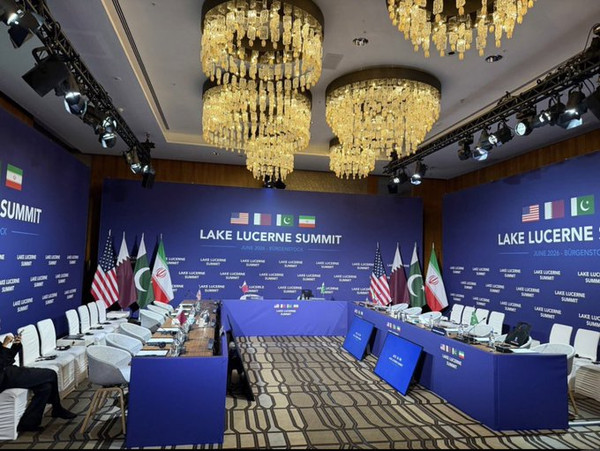
However, the “peace deal” memorialized in the recent Memorandum of Understanding leaves most of those issues unresolved, or with regard to Iran’s ballistic missile program and support for terrorists, completely unaddressed.
In drawing conclusions from this polling, it is worth noting that the partisan divide plays a significant role in skewing the results against any conclusion to the war that would count as an indisputable success for President Trump.
Among those who voted for Trump in the 2024 presidential election, 71% consider the Iran war a success, but only 20% of Kamala Harris voters agree. However, pursuing the war to a conclusion that results in regime change and an indisputable victory by the United States is supported by just 18% of Democrats and 31% of unaffiliated voters. Sixty-nine percent (69%) of Democrats and 48% of unaffiliated voters favored an immediate end to the Iran war – apparently without an indisputable victory.
How should conservatives proceed over the next 60 days as the final technical details of the MOU are negotiated?
Our view is that we should never do anything that strengthens the Democrats for the midterms.
Does attacking Trump's peace plan all day on X improve our chances in the midterms?
No.
So, we are going to continue to urge the President to use the 60-day negotiation period to address the issues unresolved in the MOU, and press on to an indisputable tactical and strategic victory over the Islamic Republic of Iran.
A recent Rasmussen Reports national telephone and online survey found that 44% of Likely U.S. Voters believe the war against Iran has been successful, including 19% who think it was Very Successful. Forty-eight percent (48%) see the war that began in February as unsuccessful, including 27% who consider it Not At All Successful.
But what would constitute “success” in the war?
While 58% of Republicans believed the U.S. should continue military action until the Islamic regime in Iran was completely destroyed, that belief was shared by just 18% of Democrats and 31% of unaffiliated voters. Sixty-nine percent (69%) of Democrats, 28% of Republicans and 48% of unaffiliated voters favored an immediate end to the Iran war.
Yet, such an inconclusive result appears to conflict sharply with voters’ concerns about the threat the Islamic Republic of Iran poses to American economic and national security interests across the globe.
As we explained in our article “The Art Of No Deal: Voters Losing Faith In Trump’s Strategy To Negotiate An End To Iran War,” voters have a set of much broader concerns about Iran’s role in the world than its nuclear weapons program.
Seventy-seven percent (77%) would be concerned if the peace deal allowed Iran to retain long-range ballistic missiles, including 53% who would be Very Concerned. Nineteen percent (19%) aren’t concerned about the peace deal letting Iran keep its missiles.
Eighty-three percent (83%) of Likely U.S. Voters would be concerned if the peace deal allowed Iran to retain its ability to fund and supply terrorists in other countries. That includes 61% who would be Very Concerned. Just 12% aren’t concerned about Iran retaining its ability to fund terrorism in other countries.
Stopping Iran’s nuclear weapons program was a main goal cited for launching Operation Epic Fury against Iran in February. Seventy-two percent (72%) of voters would be concerned if the peace deal allowed Iran to retain highly enriched uranium, including 44% who would be Very Concerned about such a deal. Only 23% would not be concerned if the peace deal let Iran keep its enriched uranium stockpile.
Seventy-five percent (75%) would be concerned if the peace deal allowed Iran to retain control over the Strait of Hormuz, including 52% who would be Very Concerned. Twenty-percent (20%) aren’t concerned about Iran controlling the Strait of Hormuz.
More Republicans (64%) than Democrats (44%) or unaffiliated voters (48%) would be Very Concerned if the peace deal allowed Iran to retain control over the Strait of Hormuz.
Similarly, 64% of Republicans, 42% of Democrats and 53% of unaffiliated voters would be Very Concerned if the peace deal allowed Iran to retain long-range ballistic missiles.
Sixty-one percent (61%) of whites, 52% of black voters, 66% of Hispanics and 71% of other minorities would be Very Concerned if the peace deal allowed Iran to retain its ability to fund and supply terrorists in other countries.
However, the “peace deal” memorialized in the recent Memorandum of Understanding leaves most of those issues unresolved, or with regard to Iran’s ballistic missile program and support for terrorists, completely unaddressed.
In drawing conclusions from this polling, it is worth noting that the partisan divide plays a significant role in skewing the results against any conclusion to the war that would count as an indisputable success for President Trump.
Among those who voted for Trump in the 2024 presidential election, 71% consider the Iran war a success, but only 20% of Kamala Harris voters agree. However, pursuing the war to a conclusion that results in regime change and an indisputable victory by the United States is supported by just 18% of Democrats and 31% of unaffiliated voters. Sixty-nine percent (69%) of Democrats and 48% of unaffiliated voters favored an immediate end to the Iran war – apparently without an indisputable victory.
How should conservatives proceed over the next 60 days as the final technical details of the MOU are negotiated?
Our view is that we should never do anything that strengthens the Democrats for the midterms.
Does attacking Trump's peace plan all day on X improve our chances in the midterms?
No.
So, we are going to continue to urge the President to use the 60-day negotiation period to address the issues unresolved in the MOU, and press on to an indisputable tactical and strategic victory over the Islamic Republic of Iran.