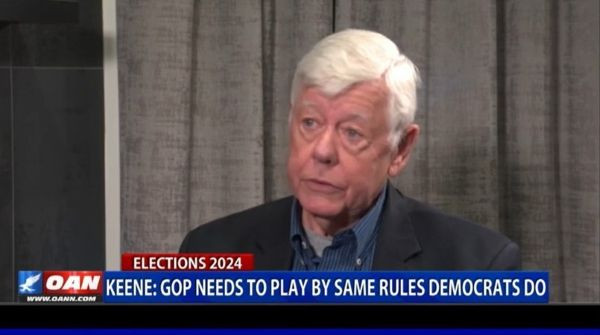

Last month, the Conservative Movement lost a longtime important leader, and I lost a longtime friend, with the passing of David Keene.
Over the past few weeks, I keep coming back to one thing about David: he never waited for permission or for instructions.
As a student at the University of Wisconsin, David didn’t wait for direction from Washington or from movement “headquarters.” He stepped forward and led, becoming national chairman of Young Americans for Freedom (YAF) at a time when the Conservative Movement was still finding its footing.
That instinct, to act, not wait, defined his life and went far beyond campus politics.
As national chairman of YAF, David understood from a young age that communism was not just a flawed ideology, but a direct threat to freedom that had to be defeated.
At the height of the Vietnam War, when protests were dominating college campuses, David chose a different path. Rather than rely on headlines or filtered narratives from a pro-communist press, he helped organize fact-finding missions to South Vietnam, bringing student leaders face-to-face with the realities of the war, and why the South Vietnamese were fighting for their freedom.
Working with the Nixon White House, he launched what became the Student Committee for Victory in Vietnam, pairing those efforts with debates and direct engagement on campuses across the country. It was a direct challenge to the prevailing narrative that the United States was the aggressor in the war, and it took real conviction to carry it out at a time when doing so was anything but popular.
It was classic David: don’t argue from a distance, go see it for yourself.
That same willingness to step forward showed up again in 1969, when at just 24 years old, David ran for the Wisconsin State Senate in a special election. It would have been easy to sit back and wait his turn, but that wasn’t his style.
David ran as a conservative in a difficult race, even earning the endorsement of President Richard Nixon. He didn’t win, but that wasn’t the point. He believed in fighting for what mattered.
He carried that same mindset into every role he held afterward.
As chairman of the American Conservative Union for nearly three decades, and as chairman of CPAC, David helped build the Conservative Movement’s premier annual gathering. What began as a small gathering of a few hundred activists grew under his leadership into a must-attend event for conservatives nationwide, drawing 15,000 year after year and becoming a required stop for anyone serious about running for national office or shaping the direction of the movement.
As president of the National Rifle Association and later as opinion editor of The Washington Times, David brought steady leadership and a deep understanding of both the movement’s roots and its future. He wasn’t interested in chasing headlines. Instead, he focused on strengthening the institutions that would carry conservative ideas forward.
David belonged to the generation that took the energy of the Goldwater campaign and turned it into something lasting. He helped carry that momentum through the Reagan years and into the decades that followed. Through victories and setbacks alike, he remained one of the movement’s steady hands.
That same instinct to step forward carried him into the highest levels of American politics. David worked for Vice President Spiro Agnew and later for Senator James L. Buckley, before taking on key roles in presidential campaigns across decades, from Ronald Reagan to George H.W. Bush, and later advising Bob Dole.
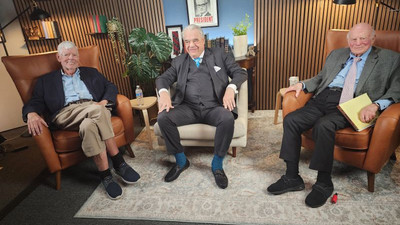
Just a few months before his passing, John Gizzi of Newsmax and I had the privilege of sitting down with David at the Leadership Institute for an extended conversation about his life and career. The goal was simple: to capture his firsthand account for future generations of conservatives and historians who will one day look back on this period of the movement. For more than two hours, he reflected on the campaigns and the turning points that shaped the conservative cause. It was time I will always treasure.
April 19 marked the 251st anniversary of the Battle of Lexington and Concord, the “shot heard round the world.” What made that moment extraordinary wasn’t just the outcome. It was the response.
Ordinary Americans, from farmers to shopkeepers to tradesmen, ran toward the sound of gunfire. These patriots didn’t wait for orders from some distant headquarters. They acted because they believed the cause was theirs to defend.
That same spirit defined David Keene.
He never waited for instructions from party leadership or movement insiders. He understood that movements don’t advance because someone at the top gives the green light. They move forward because individuals step up and lead.
David did that again and again.
The Conservative Movement is stronger and better organized because he chose to act when others waited.
With his passing last month, we lost one of its pillars.
Rest in peace, dear friend. You made a difference and your leadership will be greatly missed.
Over the past few weeks, I keep coming back to one thing about David: he never waited for permission or for instructions.
As a student at the University of Wisconsin, David didn’t wait for direction from Washington or from movement “headquarters.” He stepped forward and led, becoming national chairman of Young Americans for Freedom (YAF) at a time when the Conservative Movement was still finding its footing.
That instinct, to act, not wait, defined his life and went far beyond campus politics.
As national chairman of YAF, David understood from a young age that communism was not just a flawed ideology, but a direct threat to freedom that had to be defeated.
At the height of the Vietnam War, when protests were dominating college campuses, David chose a different path. Rather than rely on headlines or filtered narratives from a pro-communist press, he helped organize fact-finding missions to South Vietnam, bringing student leaders face-to-face with the realities of the war, and why the South Vietnamese were fighting for their freedom.
Working with the Nixon White House, he launched what became the Student Committee for Victory in Vietnam, pairing those efforts with debates and direct engagement on campuses across the country. It was a direct challenge to the prevailing narrative that the United States was the aggressor in the war, and it took real conviction to carry it out at a time when doing so was anything but popular.
It was classic David: don’t argue from a distance, go see it for yourself.
That same willingness to step forward showed up again in 1969, when at just 24 years old, David ran for the Wisconsin State Senate in a special election. It would have been easy to sit back and wait his turn, but that wasn’t his style.
David ran as a conservative in a difficult race, even earning the endorsement of President Richard Nixon. He didn’t win, but that wasn’t the point. He believed in fighting for what mattered.
He carried that same mindset into every role he held afterward.
As chairman of the American Conservative Union for nearly three decades, and as chairman of CPAC, David helped build the Conservative Movement’s premier annual gathering. What began as a small gathering of a few hundred activists grew under his leadership into a must-attend event for conservatives nationwide, drawing 15,000 year after year and becoming a required stop for anyone serious about running for national office or shaping the direction of the movement.
As president of the National Rifle Association and later as opinion editor of The Washington Times, David brought steady leadership and a deep understanding of both the movement’s roots and its future. He wasn’t interested in chasing headlines. Instead, he focused on strengthening the institutions that would carry conservative ideas forward.
David belonged to the generation that took the energy of the Goldwater campaign and turned it into something lasting. He helped carry that momentum through the Reagan years and into the decades that followed. Through victories and setbacks alike, he remained one of the movement’s steady hands.
That same instinct to step forward carried him into the highest levels of American politics. David worked for Vice President Spiro Agnew and later for Senator James L. Buckley, before taking on key roles in presidential campaigns across decades, from Ronald Reagan to George H.W. Bush, and later advising Bob Dole.
Just a few months before his passing, John Gizzi of Newsmax and I had the privilege of sitting down with David at the Leadership Institute for an extended conversation about his life and career. The goal was simple: to capture his firsthand account for future generations of conservatives and historians who will one day look back on this period of the movement. For more than two hours, he reflected on the campaigns and the turning points that shaped the conservative cause. It was time I will always treasure.
April 19 marked the 251st anniversary of the Battle of Lexington and Concord, the “shot heard round the world.” What made that moment extraordinary wasn’t just the outcome. It was the response.
Ordinary Americans, from farmers to shopkeepers to tradesmen, ran toward the sound of gunfire. These patriots didn’t wait for orders from some distant headquarters. They acted because they believed the cause was theirs to defend.
That same spirit defined David Keene.
He never waited for instructions from party leadership or movement insiders. He understood that movements don’t advance because someone at the top gives the green light. They move forward because individuals step up and lead.
David did that again and again.
The Conservative Movement is stronger and better organized because he chose to act when others waited.
With his passing last month, we lost one of its pillars.
Rest in peace, dear friend. You made a difference and your leadership will be greatly missed.